
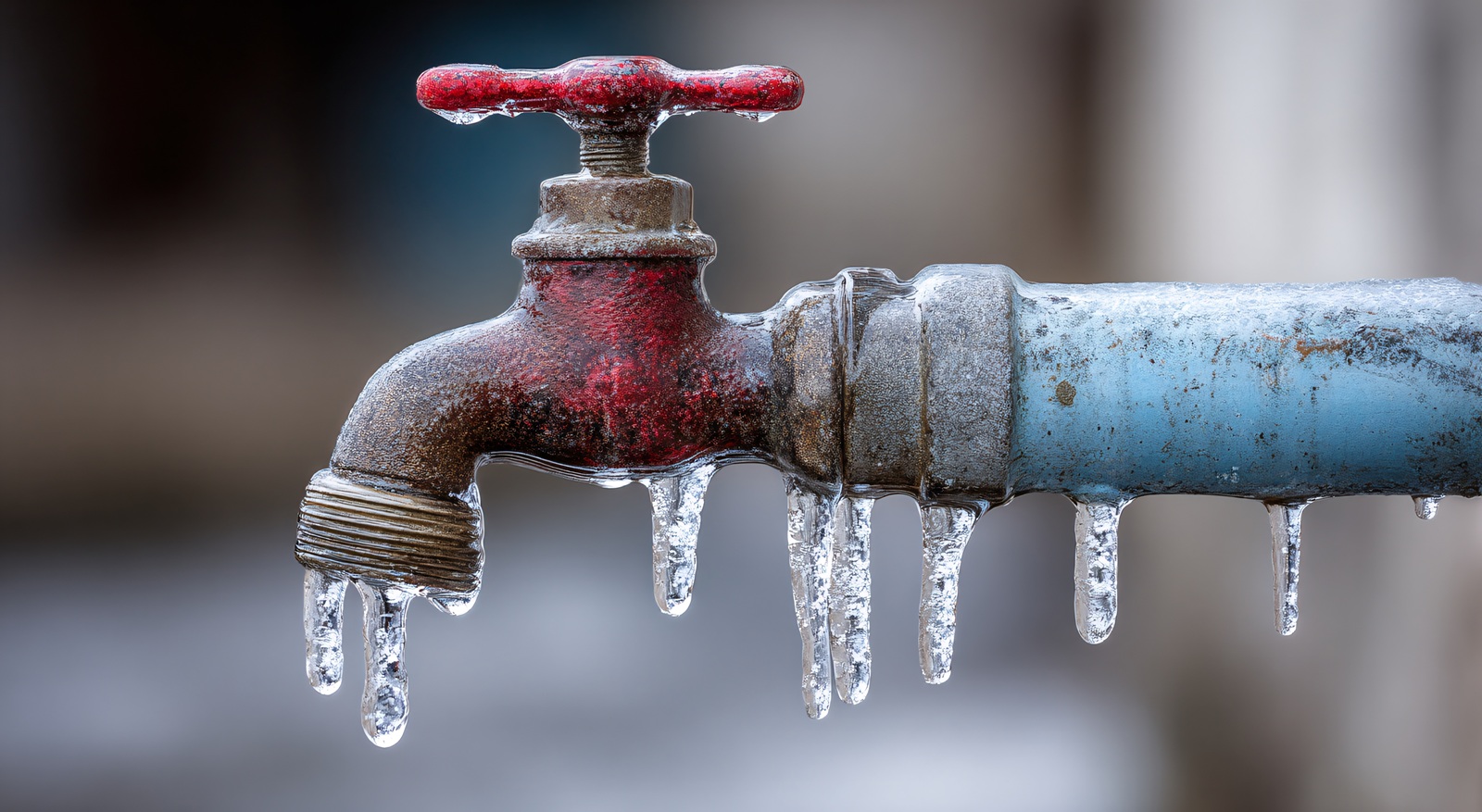
Winter brings many challenges for homeowners, but few are as potentially devastating as discovering burst pipes after a deep freeze. The sight of water gushing from walls or ceilings can send anyone into panic mode—not just because of the immediate mess, but because of the looming question: will my insurance cover this expensive disaster?
The good news is that Homeowners insurance typically does cover damage from frozen pipes, but there are important conditions and limitations you need to understand. Whether your claim gets approved or denied often depends on the steps you took to prevent the freezing in the first place, and understanding exactly what your policy covers can save you thousands of dollars in out-of-pocket expenses.
In this comprehensive guide, we’ll break down everything you need to know about frozen pipe coverage, from what damage insurance will pay for to the prevention measures that keep your coverage valid. We’ll also walk you through the claim process and help you understand when frozen pipe claims get denied—and what you can do about it.
Quick Answer: Does Homeowners Insurance Cover Frozen Pipes?
Yes, most Homeowners insurance policies cover water damage from burst frozen pipes if reasonable preventive measures were taken. Here’s what you need to know:
- Coverage typically includes structural damage, personal property damage, and temporary living expenses
- Insurance usually does NOT cover the cost to repair or replace the frozen pipe itself
- Claims may be denied if heat was intentionally turned off or proper maintenance was neglected – especially if the home is vacant
- Maintaining indoor temperature at 55°F or higher during winter is typically required for coverage
- The key requirement is that the damage must be “sudden and accidental” rather than due to neglect
- The distinction between covered and non-covered scenarios often comes down to whether you took reasonable care to prevent frozen pipes. Insurance companies expect property owners to maintain heat and take basic winterization steps during cold weather.
What Frozen Pipe Damage Does Home Insurance Cover?
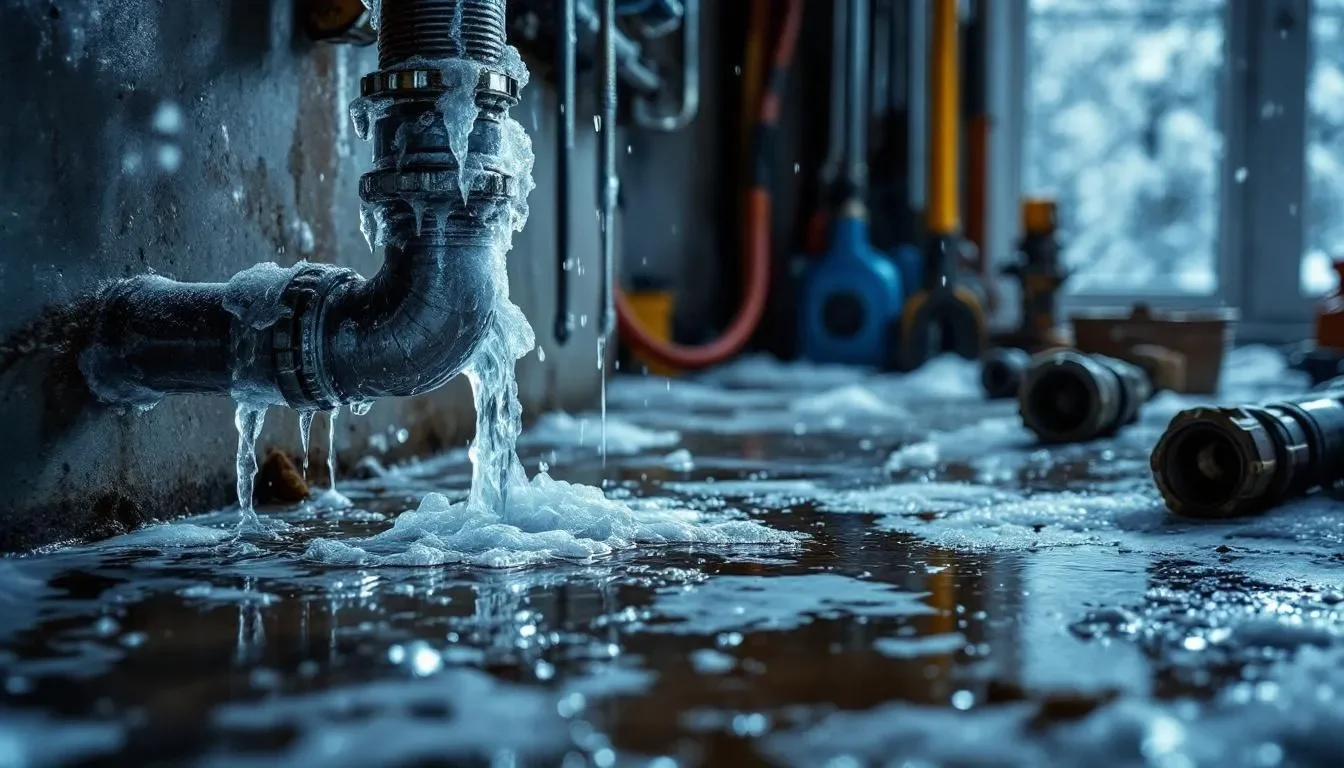
When frozen pipe bursts occur and meet your policy’s requirements, Homeowners insurance typically provides comprehensive coverage for the resulting damage. Understanding exactly what’s covered helps you know what to expect during the claim process and ensures you document everything properly.
Your insurance policy will generally cover:
- Water damage to walls, ceilings, floors, and structural components from burst pipes
- Damage to personal belongings like furniture, electronics, clothing, and appliances
- Costs for water removal, drying, and mold remediation services
- Temporary hotel stays and living expenses if home becomes uninhabitable
- Professional restoration services for damaged areas and belongings
The coverage applies when water freezes in your plumbing system, expands by approximately 9%, and creates enough pressure to crack or burst the pipe. Even a crack as small as 1/8 inch can release over 250 gallons of water in a single day, causing significant damage throughout your home.
Dwelling Coverage for Frozen Pipe Damage
Your dwelling coverage (part of your Homeowners policy) protects the physical structure of your home when frozen pipes burst and cause water damage. This is typically the most expensive part of frozen pipe claims, as water can quickly spread through walls, floors, and ceilings.
Dwelling coverage includes:
- Repairs to home structure including drywall, flooring, insulation, and framing damaged by water from burst pipes
- Costs to access burst pipes within walls or ceilings for repairs—your insurance provider will pay to open up walls and rebuild them after plumbing repairs are complete
- Rebuilding portions of your home damaged by extensive water from pipe bursts, based on your home’s replacement cost value rather than current market value
It’s important to note that while insurance will pay for the damage caused by the broken pipes, the cost to repair or replace the actual frozen pipe itself typically isn’t covered. Your insurance covers the consequences of the plumbing problem, not the plumbing source itself.
Personal Property Coverage
Personal Property coverage (also integral part of a home policy) protects your belongings when they’re damaged by water from burst frozen pipes. This coverage can be substantial, especially if water reaches multiple rooms or flows to lower levels of your home.
Your Personal Property coverage includes:
- Replacement or cleaning of furniture, electronics, clothing, and documents damaged by water from pipe bursts
- Coverage based on either actual cash value or replacement cost, depending on your specific insurance policy terms
- Protection for items throughout your home, from cabinets to appliances and personal belongings
However, keep in mind that special limits may apply to valuable items like jewelry, artwork, and collectibles. If you own high-value items, you may need extra coverage or separate policies to fully protect them against water damage.
Additional Living Expenses Coverage
When frozen pipe damage makes your home temporarily unlivable, additional living expenses coverage pays for the increased costs of living elsewhere while repairs are completed. This coverage (a standard part of most Homeowners policies), often called ALE, can be crucial during extensive water restoration projects.
Additional living expenses typically covers:
- Temporary housing costs if frozen pipe damage makes your home unlivable, including hotel stays or rental property expenses
- Increased food costs when you can’t use your kitchen, pet boarding fees, and other necessary expenses above your normal living costs
- Expenses above normal living costs—you’ll still pay your regular mortgage, but insurance covers the additional expenses for temporary housing
- Remember that this coverage only applies when displacement is due to covered damage, not convenience. You can’t move to a luxury hotel just because repairs are inconvenient if your home remains habitable.
What Frozen Pipe Situations Are NOT Covered?
Understanding when Homeowners insurance doesn’t cover frozen pipes is just as important as knowing when it does. Insurance companies have specific exclusions designed to prevent covering damage that results from negligence or preventable maintenance issues.
Common situations where frozen pipe claims are denied include:
- Damage from pipes that freeze due to negligent maintenance or intentionally turning off heat in a vacant home during winter months
- Cost to repair, replace, or upgrade the actual frozen or burst pipe—insurance covers resulting water damage but not plumbing repairs
- Gradual leaks or seepage that occur over time before pipes freeze, as this isn’t considered “sudden and accidental”
- Damage from pipes that freeze in unheated areas like crawl spaces without proper insulation or winterization
- Preventable damage from ignoring known plumbing problems before winter weather arrives
Insurance companies expect property owners to exercise reasonable care in maintaining their homes and plumbing system. If an insurance adjuster determines you failed to maintain heat or take basic preventive measures, your claim may be denied even if the pipe burst was sudden.
The key concept is that insurance covers sudden accidents, not preventable problems. If you leave your home unheated during an extended period in winter, insurance companies view any resulting frozen pipe damage as preventable rather than accidental.
How to Maintain Coverage: Preventing Frozen Pipes
Maintaining your Homeowners coverage for frozen pipe damage requires taking reasonable preventive measures during cold weather. Insurance policies typically require property owners to use reasonable care to prevent freezing, and failing to meet these expectations can void your coverage.
Essential prevention steps include:
- Keep your thermostat set to at least 55°F when away from home during winter months—this is often a specific policy requirement
- Insulate exposed pipes in unheated areas like basements, attics, and garages using foam wraps or heat tape
- Seal air leaks near pipes and around windows, doors, and electrical outlets that can allow cold air to reach your water supply lines
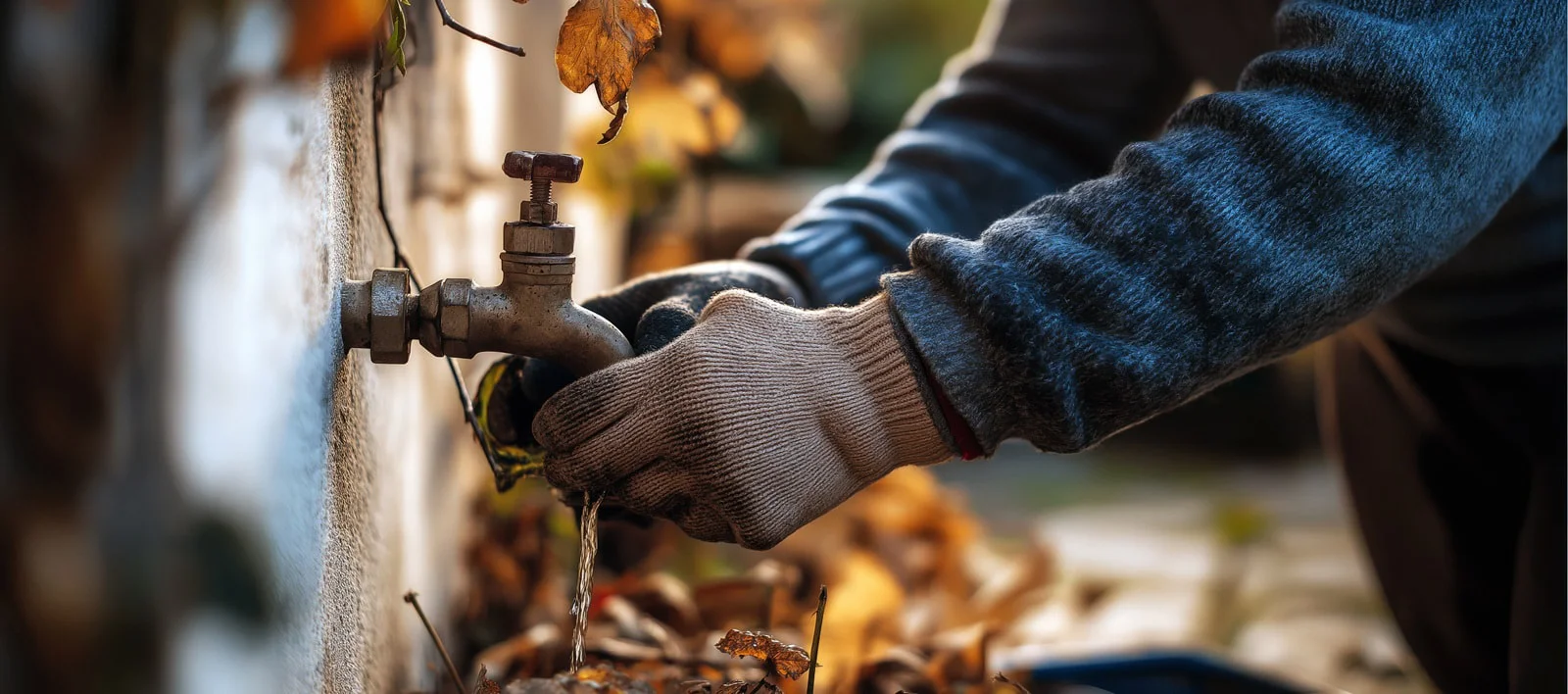
- Disconnect and drain garden hoses; shut off exterior faucets and outside faucets before the first freeze to prevent water from backing up into interior pipes
- Allow faucets to drip slowly (about 5 drops per minute) during extreme cold below 28°F to keep water moving through the plumbing system
Additional preventive measures that insurance companies appreciate include opening bathroom cabinet doors under sinks to circulate warm air around pipes, especially those on exterior walls. You should also know the location of your main water shut-off valve in case you need to quickly stop water flow if pipes do freeze and burst.
For rental property owners, prevention becomes even more critical since vacant properties face higher freezing risks. Many insurance providers require special endorsements or regular inspections for unoccupied homes during winter months.
What to Do When Pipes Freeze
If you discover that your pipes freeze despite your prevention efforts, taking the right immediate steps can prevent a frozen pipe from becoming a burst pipe. Quick action when water supply pipes freeze can save you from major water damage and a complex insurance claim.
When you find a frozen pipe:
- Keep affected faucets open to relieve pressure and allow water flow as the pipe thaws naturally
- Apply gentle heat using a hair dryer, heating pad, or warm towels, starting near the faucet and working toward the frozen section
- Never use open flame, blowtorches, or other high-heat sources that can damage pipes or create fire hazards in your home
- Check for leaks or cracks as the pipe thaws that indicate the frozen pipe bursts are imminent or have already occurred
- Call a professional plumber if you cannot locate the frozen section or safely access pipes to apply heat
The goal is to restore water flow before pressure from expanding ice causes the pipe to burst. Working systematically from the faucet toward the blocked section helps ensure you don’t miss any damage and allows you to monitor the thawing process.
If you hear water running but don’t see any flow from faucets, this may indicate that a pipe has already burst somewhere in your plumbing system. In this case, immediately move to burst pipe emergency procedures.

Steps to Take When Frozen Pipes Burst
When frozen pipes burst in your home, your immediate response can significantly impact both the extent of damage and the success of your insurance claim. Fast action protects your property and helps ensure your insurance company sees your response as reasonable and responsible.
Take these critical steps immediately:
- Shut off the main water supply to prevent additional flooding—every property owner should know where this valve is located before winter arrives
- Turn off electricity to affected areas if water is near electrical outlets, fixtures, or appliances to prevent electrocution or further damage
- Document the damage with photos and videos before cleanup begins—this documentation is crucial for your insurance claim
- Remove standing water quickly and begin the drying process to prevent mold growth, which can complicate your claim and create health hazards
- Call a plumber or water mitigation specialist to rush to your house to prevent further damage
- Contact your insurance company as soon as possible to report the claim and understand your coverage limits for this particular incident
- Save receipts for emergency repairs, cleanup costs, and temporary living expenses for reimbursement through your insurance policy
- Acting quickly to minimize damage shows your insurance provider that you’re taking reasonable care to prevent further damage. Insurance policies typically require policyholders to protect their property from additional harm after a covered event occurs.
Consider hiring a water restoration company if the damage is extensive. These professionals have specialized equipment for water removal and drying that can prevent secondary damage like mold growth that might not be covered under your policy.
Filing a Frozen Pipe Insurance Claim
Successfully filing a frozen pipe insurance claim requires careful documentation and understanding of your policy’s specific requirements. The claim process for water damage can be complex, but being prepared helps ensure you receive the full benefits your Homeowners insurance provides.
Essential steps for filing your claim:
- Contact your insurance agent immediately to report damage and understand your coverage limits and deductible requirements
- Document all damage thoroughly with photos, videos, and written descriptions of affected areas and personal property
- Keep detailed records of cleanup costs, emergency repairs, and temporary living expenses for potential reimbursement
- Cooperate with your insurance adjuster’s inspection and provide any requested documentation about the incident and your prevention efforts
- Get estimates from licensed contractors for permanent repairs and restoration to help establish the claim value
- Understand your deductible amount and how it applies to frozen pipe claims—it’ll be deducted from your final insurance payout
During the claim investigation, your insurance company will examine whether the pipe burst was sudden and accidental versus the result of negligence or poor maintenance. Be prepared to explain what preventive measures you took and provide evidence that you maintained reasonable care of your property.
Remember that while the claim is being processed, you may need to pay for immediate emergency repairs to prevent further damage. Keep all receipts, as these emergency expenses are often reimbursable under your policy’s requirements to mitigate additional damage.
When Frozen Pipe Claims Get Denied
Unfortunately, not all frozen pipe claims receive approval from insurance companies. Understanding common denial reasons helps you avoid these pitfalls and gives you options if your claim is wrongfully rejected.
Claims commonly get denied when:
- Vacant home claims are most often denied, because a Homeowners policy is priced and underwritten with the assumption that the owner is living in the home. So, if your home is vacant, the likelihood of a larger damage occurring is higher – for instance, water running for two weeks rather than two hours. Causes of damage happening in a vacant home can include:
- You didn’t shut off water and drain the pipes
- You failed to maintain adequate heat during winter months, especially during extended absences or vacations, which insurance companies consider negligent rather than accidental
- Pipes freeze in unheated areas without proper winterization or insulation that reasonable homeowners would have addressed
- Previous known plumbing issues weren’t addressed before freezing weather, indicating maintenance issues rather than sudden problems
- Evidence suggests negligence in basic winter property maintenance or violation of policy requirements for reasonable care
If your claim gets denied, you have options. Start by carefully reviewing your insurance policy language about water damage and frozen pipes. Sometimes denials result from misunderstandings about policy terms rather than legitimate coverage exclusions.
Protecting Your Home and Coverage
Understanding whether home insurance covers frozen pipes is just the first step in protecting your property and financial security during winter months. The key to successful coverage lies in taking reasonable preventive measures and knowing exactly what your specific policy covers and excludes.
Remember that Homeowners insurance typically covers sudden and accidental water damage from burst frozen pipes, but not the pipes themselves or damage resulting from negligence. Maintaining adequate heat, properly insulating exposed pipes, and taking other preventive measures isn’t just good property maintenance—it’s essential for keeping your insurance coverage valid.
Understanding your policy’s exact language and coverage regarding frozen pipes and water damage can help you avoid claim denials and ensure you’re taking all necessary steps to protect your home. If you’re unsure about your specific coverage limits or requirements, contact your insurance agent or Layne Fulk at lfulk@hilbgroup.com before winter weather arrives.
Taking proactive steps now to prevent frozen pipes protects both your property and your insurance coverage, giving you peace of mind during the coldest months of the year.
Do you know if snow damage is covered by your Homeowner’s insurance? Check out our latest blog to learn more.
*COVERAGE DISCLAIMER: These statements do not amend, modify, or supplement any current or future insurance policy. They are not a guarantee of savings or services but reflect past client and broker experiences in the states where we are licensed. All clients and coverages are unique. Your results can and will vary. Your eligibility for products and services is subject to the final determination of underwriting qualifications and acceptance by the insurance underwriting company providing such products or services. If there is a discrepancy between information contained herein and your policy, your policy takes precedence. Consult the actual policy or your licensed agent for details regarding terms, conditions, coverage, exclusions, products, services, and programs which may be available to you.
GENERAL INFORMATION DISCLAIMER: Statements on this website regarding insurance policies and coverages and other content provide general information only. There is no intentionally misleading information contained in this website, however, Hilb Group, provides no warranty as to their accuracy. We will endeavor to correct or clarify any incorrect information. Any hypertext links to other sites or vendors are provided as a convenience only. We have no control over those sites or vendors and cannot, therefore, endorse nor guarantee the accuracy of any information provided by those sites or the services provided by those vendors.