
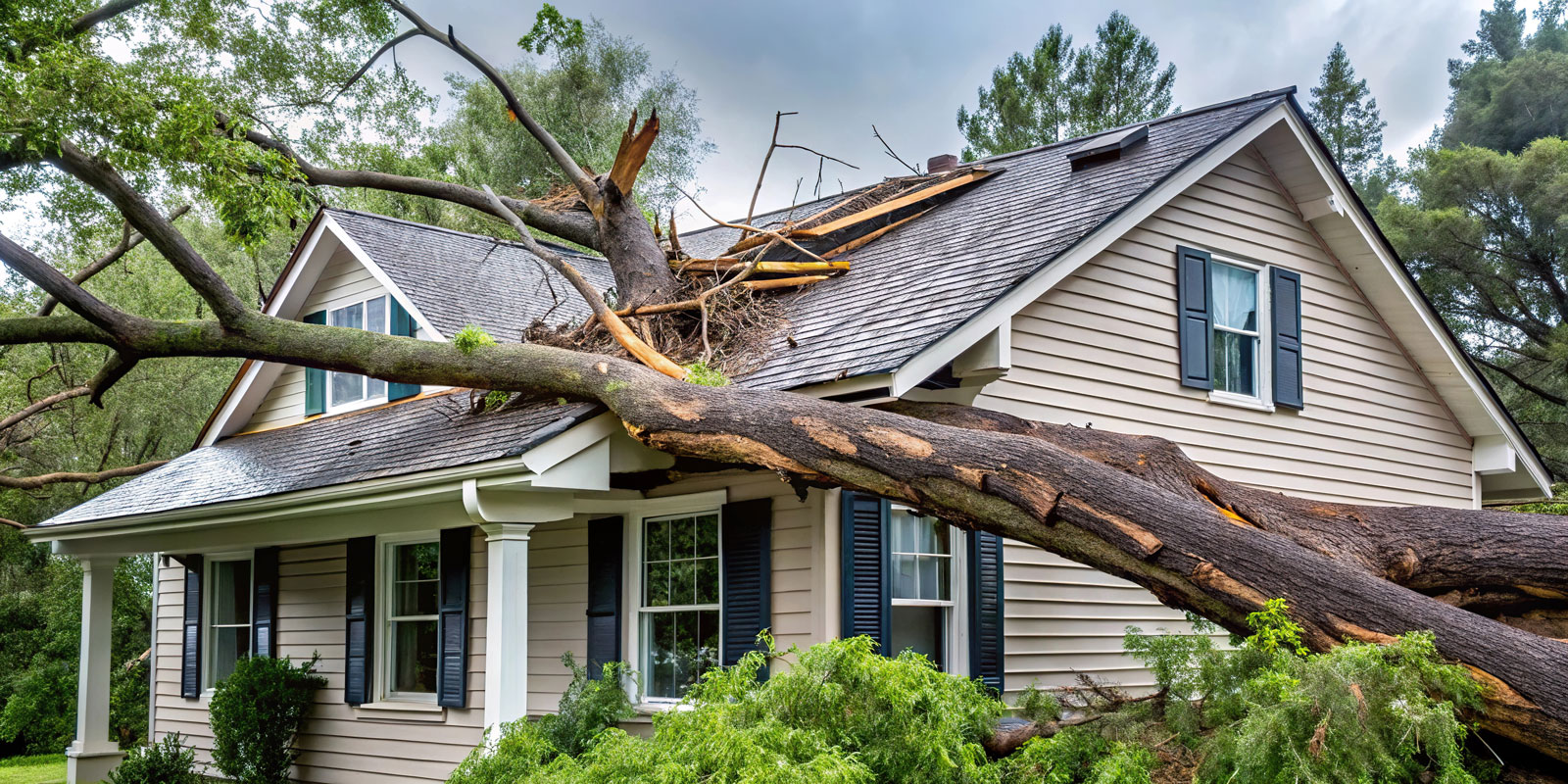
Trees are beautiful and beneficial, but when one falls unexpectedly, it can leave homeowners feeling uprooted both emotionally and financially. Whether it’s a massive oak crashing onto a roof during a storm or a neighbor’s tree shedding limbs onto your property, resolving the aftermath requires understanding liability, insurance coverage, and your options for cleanup.
If you’ve found yourself asking questions like, Who is responsible for a tree damaging my property? or Does homeowners insurance cover tree removal?, we’re here to provide the clarity you need.
Understanding Tree Damage and Liability
First, let’s address this key point: who is responsible for tree damage? The answer? It depends!
Here are some common scenarios to help you understand liability:
1. Nature’s Fury vs. Negligence
- If a tree falls due to “natural causes” like a storm or wind, it’s considered an act of nature. The property owner where the damage occurred is usually responsible for cleanup—even if it’s your neighbor’s tree.
- If negligence is involved, responsibility shifts. Liability can arise when a tree owner was aware of a hazard and failed to maintain the tree. For example, if your neighbor knew their tree was diseased and ignored it, that prior knowledge of the risk is what strengthens a negligence claim, and they could be liable for the damage.
2. Health Check on the Tree
Insurance companies and courts determine liability in part by the condition of the tree. Is it a healthy tree or affected by disease? Visible signs such as root rot and neglected dead branches can increase the risk of tree falling, and a well-documented history of damage or decay can shift liability if you, the property owner, failed to address the risk. A healthy tree falling in a storm is often treated differently than one that is dead or dangerous.
3. Location is Everything
Trees growing directly on a property line are often considered jointly owned, and that boundary also helps determine ownership and trimming rights. That joint ownership can mean shared maintenance and possible shared liability, especially when the trunk sits on the boundary. If a dispute arises, reference a property survey to help clear things up.
Does Homeowners Insurance Cover Tree Damage?
Now to the big question on every homeowner’s mind: does your homeowners insurance have your back? The short answer is usually yes—but with some specifics to consider:
1. Damage to Insured Structures
If a tree damages your house, fence, or garage, your homeowners insurance will typically pay for the repair and removal cost for those insured structures, even if the tree came from a neighbor’s property—but that’s still subject to your deductible and coverage limits.
2. Tree Removal Coverage
Insurance often covers debris removal if a tree or fallen branches land on an insured structure, such as your home or car, though coverage depends on policy factors like where it landed and the damage caused, and many policies cap that loss at $500-$1,000. However, a covered claim may help pay to remove a tree from a house or driveway, but if nothing insured was hit, you’ll likely pay the cleanup bill out of pocket yourself.
3. When a Neighbor’s Tree is to Blame
We often hear this question: “My neighbor’s tree fell in my yard, but nothing was damaged. Who pays?” If the tree didn’t damage any of your insured structures, you’re likely responsible for cleanup. Check your homeowners policy to see if it covers the debris removal.
However, if the tree damaged any of your insured property, your insurance may cover the property damage on your property and the removal of the tree.
If you notified your neighbor that a tree on their property was dangerous and they failed to act, that may support liability if it later causes damage. In this matter, negligence standards apply when there is evidence the neighbor knew of the hazard but failed to act. Documentation of the tree’s condition and your warnings, such as emails or photos, can be crucial when filing a claim against your neighbor’s insurer.
4. Tree Hits Your Car
If a falling tree damages your car, it falls under your comprehensive auto insurance. Meanwhile, removing it from your property might involve your homeowners insurance.
Pro Tip: Always check your policy thoroughly or consult with your insurance provider. The fine print matters! If you find you don’t have sufficient coverage, contact us to enhance your policy.
Resolving the Aftermath
If disputes or damage arise, it’s vital to know what to do next. Here’s your step-by-step guide:
1. Document Everything
- Take detailed photos of the damage and the fallen tree.
- If possible, gather evidence of negligence by documenting the tree’s condition, including visible trunk issues, decay, overhanging limbs, and any emails or notes about previous concerns, since that evidence can be crucial for establishing negligence.
2. File an Insurance Claim
- Contact your insurance provider immediately to start the claims process.
- Provide all necessary documentation to speed up approvals, and coverage.
3. Communicate with Your Neighbor
If a neighbor’s tree caused the damage, approach them calmly but firmly. Working together often prevents unnecessary legal battles.
4. Know When to Consult Legal Experts
If negligence is at play and your neighbor denies responsibility, legal action might be necessary to resolve the dispute and recoup costs. Liability can be even more serious if a dangerous tree injures someone and your neighbor failed to take reasonable steps to prevent harm.
Protect Yourself Before the Fall
To avoid future disputes, consider these preventative measures:
- Trim and Inspect Regularly: Keep your trees healthy to minimize risks by watching for shallow roots, storm damage, and limbs that should be cut, and prune overhanging branches before winter weather arrives. Heavy rain can loosen roots, wind can make a tree topple if its root system is shallow, and lightning can split or even explode a tree. Water and mulch trees so they can grow stronger, resist infection, and bring lasting value instead of problems caused by neglected care. Hire a professional for tree removal to avoid risks, and check local ordinances for permits or protected species before work begins.
- Communicate with Neighbors: Discuss concerns about trees near property lines before disaster strikes.
- Review Your Insurance Policy: Ensure you understand what’s covered and adjust if needed.
When in doubt, having a trusted insurance advisor can make all the difference. They’ll help you navigate complex scenarios and provide peace of mind.
Final Thoughts
Dealing with fallen trees can be frustrating, but with a bit of preparation and understanding, you’ll be equipped to handle the situation like a pro. Whether it’s reviewing your insurance plan, documenting concerns, or staying proactive with tree care, these small actions can save you major headaches down the line.
Looking for more tips to protect your home and property? Contact us at https://www.hilbgroup.com/personal/.